
You wake up after a night of drinking, and everything hurts. Your head is pounding, your muscles are sore, and even your jaw feels tight. You might chalk it up to “just a hangover,” but there’s a specific reason why alcohol leaves you feeling physically battered: magnesium depletion.
Magnesium is one of the most important minerals in your body, involved in over 300 enzymatic reactions. It helps regulate muscle function, nerve signaling, energy production, and stress responses. When you drink alcohol, your magnesium levels plummet, and the effects ripple through your entire system.
Understanding how alcohol depletes magnesium and why that matters can help you make better choices about recovery and symptom relief.
How Alcohol Drains Magnesium
Alcohol affects magnesium levels through multiple pathways, creating a perfect storm of depletion.
Increased Urination
Alcohol is a diuretic, meaning it increases urine production by inhibiting antidiuretic hormone (ADH). This hormone normally tells your kidneys to hold onto water, but alcohol blocks its action, causing your body to flush out more fluid than usual.
When you urinate more frequently, you don’t just lose water. You also lose electrolytes, including magnesium, potassium, and sodium. The more you drink and the longer you drink, the more magnesium gets excreted through your urine.
Impaired Absorption
Alcohol damages the lining of your digestive tract, particularly in the small intestine where most nutrient absorption occurs. Chronic drinking can lead to malabsorption issues, but even occasional heavy drinking temporarily impairs your gut’s ability to absorb magnesium from food.
This means that even if you eat magnesium-rich foods the next day, your body may not be able to use them efficiently until your digestive system recovers.
Cellular Depletion
Alcohol doesn’t just affect magnesium levels in your blood. It also pulls magnesium out of your cells and bones, where most of your body’s magnesium is stored. Only about 1% of your total magnesium circulates in your bloodstream, so blood tests don’t always reveal the full extent of depletion.
When cellular magnesium drops, your body can’t perform critical functions efficiently, leading to the muscle aches, cramps, and fatigue that characterize a hangover.
Why Magnesium Deficiency Causes Muscle Aches
Magnesium plays a central role in muscle relaxation. After a muscle contracts, magnesium helps it release and return to a rested state. Calcium triggers contraction, while magnesium acts as the counterbalance, allowing the muscle to relax.
When magnesium levels are low, muscles can’t relax properly. This creates a state of prolonged tension, which you experience as soreness, stiffness, and cramping. You might notice:
- Tightness in your neck and shoulders
- Lower back pain
- Leg cramps or twitching
- Jaw clenching or tension
- Overall muscle soreness, as if you worked out hard
This isn’t inflammation from tissue damage. It’s your muscles literally unable to let go because they lack the magnesium needed to complete the relaxation cycle.
Magnesium and Hangover Headaches
Magnesium deficiency is a well-established trigger for headaches and migraines. Low magnesium levels affect blood vessels in the brain, causing them to constrict and then dilate erratically. This vascular instability creates the throbbing, pounding sensation characteristic of hangover headaches.
Magnesium also regulates neurotransmitters that control pain perception. When levels drop, your nervous system becomes more excitable and sensitive to pain signals. This is why even small stimuli like light or sound can feel unbearable during a hangover.
Studies have shown that magnesium supplementation significantly reduces the frequency and intensity of headaches in people with low magnesium levels, highlighting the direct connection between this mineral and pain regulation.
Fatigue and Low Energy
Magnesium is essential for ATP production, the molecule your cells use for energy. Without adequate magnesium, your mitochondria (the energy factories in your cells) can’t function efficiently.
This is why hangover fatigue feels different from ordinary tiredness. It’s not just about sleep deprivation. Your cells literally can’t produce energy effectively because they lack the magnesium needed to fuel metabolic processes.
Low magnesium also impairs glucose metabolism, making it harder for your body to convert food into usable energy. Even if you eat a big breakfast, you might still feel drained because your cells can’t access that fuel properly.
Increased Stress and Anxiety
Many people report feeling anxious or on edge the day after drinking, a phenomenon sometimes called “hangxiety.” Magnesium depletion plays a significant role in this experience.
Magnesium helps regulate the hypothalamic-pituitary-adrenal (HPA) axis, your body’s stress response system. When magnesium is low, your HPA axis becomes overactive, leading to elevated cortisol and adrenaline levels even without an actual stressor.
This creates a feedback loop: alcohol depletes magnesium, low magnesium heightens stress responses, and stress further depletes magnesium. The result is a jittery, anxious feeling that compounds other hangover symptoms.
A study published in the journal Nutrients found that magnesium supplementation reduced symptoms of anxiety and improved stress resilience, supporting the connection between magnesium status and emotional well-being.
Who’s Most at Risk for Magnesium Depletion
While anyone who drinks can experience magnesium loss, certain groups are more vulnerable:
- People who drink regularly or heavily
- Those with pre-existing magnesium deficiency (more common than you’d think)
- Individuals with digestive issues that impair absorption
- People under chronic stress, which depletes magnesium on its own
- Those taking medications like diuretics or proton pump inhibitors
- Anyone with a diet low in magnesium-rich foods
If you fall into any of these categories, alcohol’s impact on your magnesium levels will be more pronounced, and recovery will take longer.
Replenishing Magnesium After Drinking
The good news is that magnesium levels can be restored relatively quickly with the right approach.
Eat Magnesium-Rich Foods
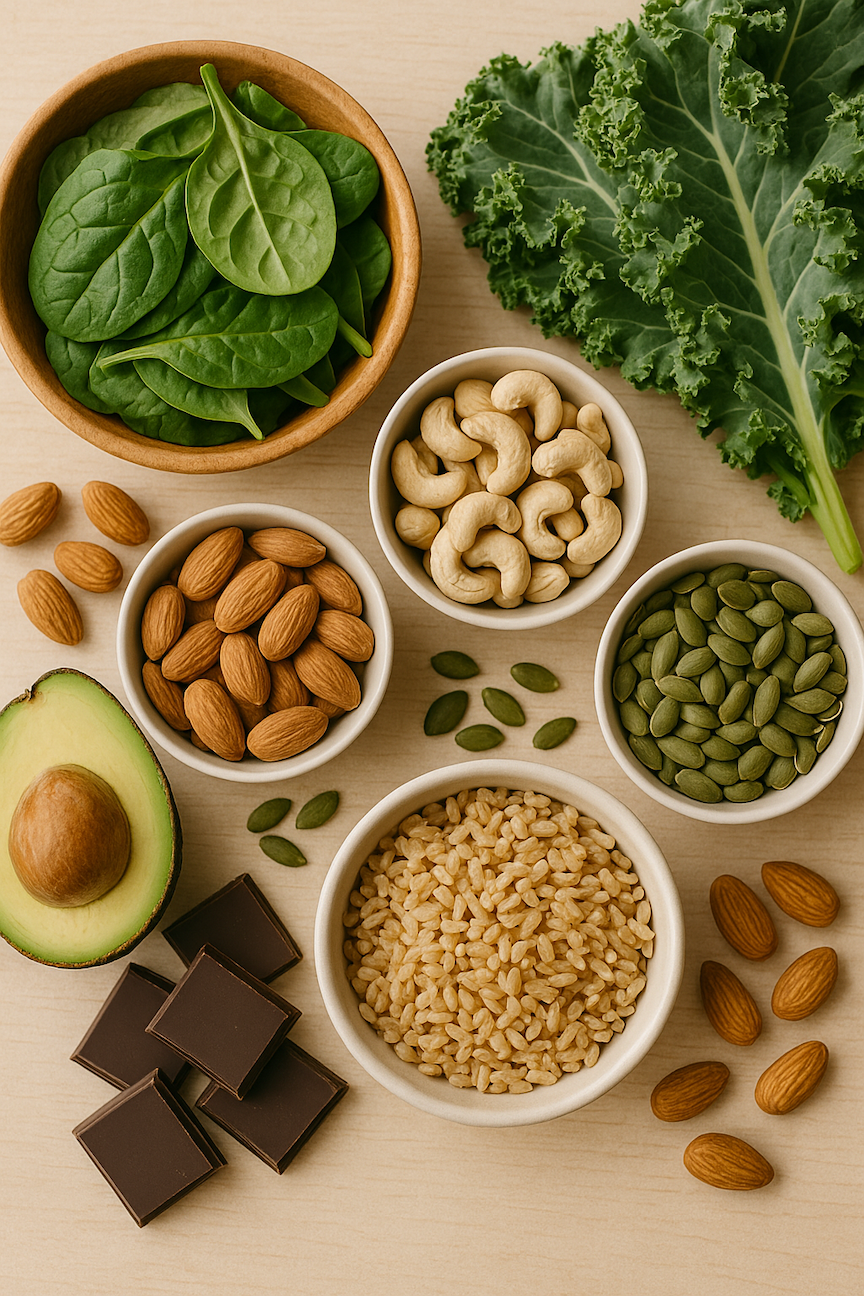
Dark leafy greens, nuts, seeds, whole grains, and legumes are all excellent sources. Spinach, almonds, cashews, black beans, and avocados are particularly high in magnesium.
However, if your digestive system is still recovering from alcohol’s effects, absorption may be limited. This is where supplementation or alternative delivery methods can be helpful.
Consider Magnesium Supplements
Oral magnesium supplements can help, but not all forms are equally effective. Magnesium citrate and magnesium glycinate are generally better absorbed than magnesium oxide.
Start with 200 to 400 mg and see how your body responds. Taking too much at once can cause digestive upset, so it’s better to spread doses throughout the day.
Direct Nutrient Delivery
For faster and more complete replenishment, IV hydration therapy for hangovers delivers magnesium directly into your bloodstream along with other essential electrolytes and vitamins. This bypasses absorption issues and provides immediate relief from symptoms like muscle aches, headaches, and fatigue.
Stay Hydrated
Drinking water helps your kidneys function properly and supports cellular processes that depend on magnesium. Aim for water with added electrolytes rather than plain water alone, as this helps your body retain and use fluids more effectively.
Prevention Is Easier Than Recovery
If you know you’ll be drinking, taking steps to protect your magnesium levels beforehand can reduce hangover severity.
- Eat a magnesium-rich meal before drinking
- Alternate alcoholic drinks with water or electrolyte beverages
- Limit total alcohol consumption
- Consider taking magnesium before bed
- Avoid mixing alcohol with caffeine, which further depletes magnesium
These strategies won’t eliminate all hangover symptoms, but they can significantly reduce muscle aches, headaches, and fatigue by minimizing magnesium depletion.
Final Thoughts
The muscle aches, headaches, and exhaustion you feel after drinking aren’t random. They’re direct consequences of magnesium depletion caused by alcohol’s effects on your kidneys, digestive system, and cells.
Magnesium is too important to ignore. It affects everything from muscle relaxation and energy production to stress responses and pain perception. When levels drop, you feel it throughout your entire body.
By understanding this connection and taking steps to replenish magnesium quickly and effectively, you can recover faster and feel better sooner.

