
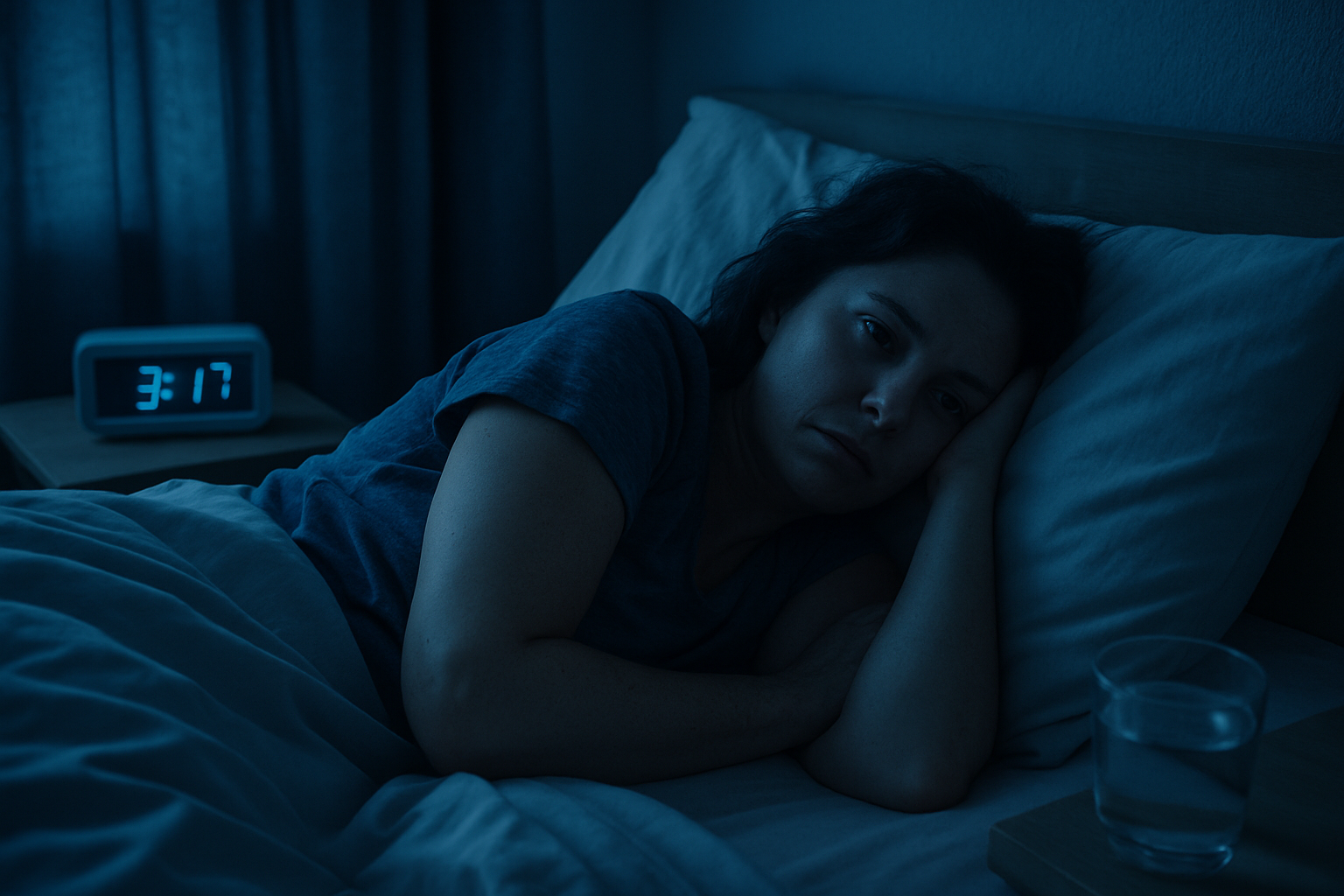
You had a few drinks, fell asleep easily, and logged a solid seven or eight hours. So why do you feel like you barely slept at all?
The exhaustion that follows a night of drinking isn’t just about dehydration or a headache. Alcohol fundamentally disrupts your sleep architecture, the structured pattern of sleep stages your brain cycles through each night. Even if you’re unconscious for hours, your brain isn’t getting the restorative rest it needs.
Understanding how alcohol sabotages sleep quality helps explain why hangovers feel so draining and why recovery takes more than just sleeping it off.
Alcohol Is a Sedative, Not a Sleep Aid
Many people use alcohol to help them fall asleep, and it does work in that sense. Alcohol is a central nervous system depressant that makes you feel drowsy and helps you drift off faster.
But sedation is not the same as healthy sleep. Alcohol-induced sleep is chemically different from natural sleep. Your brain doesn’t follow its normal progression through sleep stages, which means you’re missing out on the restorative processes that happen during deep and REM sleep.
Think of it like this: being knocked unconscious isn’t the same as getting quality rest. Your body is offline, but your brain isn’t doing the repair work it needs to do.
How Alcohol Disrupts Sleep Stages
Natural sleep follows a predictable pattern that cycles roughly every 90 minutes throughout the night. Each cycle includes light sleep, deep sleep, and REM (rapid eye movement) sleep. Each stage serves a different purpose in physical recovery, memory consolidation, and emotional regulation.
Alcohol throws this entire system off track.
Suppressed REM Sleep
REM sleep is when your brain processes emotions, consolidates memories, and restores cognitive function. It’s the stage where you dream, and it’s essential for mental clarity and mood stability.
Alcohol powerfully suppresses REM sleep, especially during the first half of the night. Even moderate drinking can reduce REM sleep by 20% to 30%. Heavy drinking can almost eliminate it entirely during the early sleep cycles.
Research has found that alcohol disrupts REM sleep in a dose-dependent manner, meaning the more you drink, the worse the suppression becomes.
Without adequate REM sleep, you wake up feeling mentally foggy, emotionally off, and unable to concentrate, even if you technically slept for hours.
Fragmented Sleep Cycles
In the second half of the night, as your body metabolizes alcohol, you experience a rebound effect. Your brain tries to compensate for the earlier suppression by increasing REM sleep, but this happens in a chaotic, fragmented way.
You might find yourself waking up repeatedly, tossing and turning, or experiencing vivid, strange dreams. This fragmentation prevents you from completing full sleep cycles, which is why you wake up feeling unrested despite being in bed for a long time.
Reduced Deep Sleep Quality
While alcohol can initially increase deep sleep (slow-wave sleep) during the first part of the night, the quality of that deep sleep is compromised. Your brain waves don’t show the same restorative patterns as they would during natural deep sleep.
Deep sleep is when your body repairs tissues, builds bone and muscle, and strengthens the immune system. When alcohol interferes with this stage, your body doesn’t get the physical recovery it needs, contributing to the overall feeling of being run down.
The Breathing Problem
Alcohol relaxes the muscles in your throat and airway, which can lead to snoring and, in some cases, sleep apnea, where breathing repeatedly stops and starts during the night.
Even if you don’t have diagnosed sleep apnea, alcohol can cause breathing irregularities that lower your blood oxygen levels. Your brain has to work harder to maintain basic functions, which prevents it from entering the deepest, most restorative sleep stages.
If you already have sleep apnea, alcohol makes it significantly worse, leading to more frequent breathing interruptions and poorer sleep quality overall.
Increased Nighttime Waking
Alcohol is metabolized relatively quickly, usually within a few hours. As your blood alcohol level drops, your body experiences a mini-withdrawal effect that can wake you up.
This is why many people fall asleep easily after drinking but wake up at 3 or 4 a.m., wide awake and unable to fall back asleep. Your body is dealing with the aftereffects of alcohol metabolism: fluctuating blood sugar, increased heart rate, and a surge of stress hormones.
Additionally, alcohol’s diuretic effect means you’ll likely need to get up to use the bathroom multiple times during the night, further fragmenting your sleep.
The Circadian Rhythm Disruption
Your body’s internal clock, or circadian rhythm, regulates when you feel sleepy and when you feel alert. Alcohol can disrupt this rhythm by affecting melatonin production and body temperature regulation.
Normally, your core body temperature drops slightly during sleep, which helps you stay asleep. Alcohol initially lowers body temperature but then causes it to rise as your body metabolizes it, which can trigger wakefulness and discomfort.
A systematic review and meta-analysis published in Sleep Medicine Reviews found that alcohol disrupts normal sleep architecture, including delayed onset of REM sleep and reduced REM duration, with disruptions occurring even at low doses (approximately two standard drinks) and worsening with higher alcohol consumption.
Why You Feel Terrible the Next Day
Poor sleep quality compounds every other hangover symptom. When you don’t get enough REM sleep and your sleep cycles are fragmented, your body produces more inflammatory chemicals, your pain threshold drops, and your ability to regulate emotions weakens.
Sleep deprivation also impairs cognitive function, making it harder to concentrate, remember things, or make decisions. This is why hangovers often come with brain fog, irritability, and difficulty focusing, even after the alcohol has left your system.
Your immune system also suffers. Deep sleep is when your body produces cytokines and other immune factors. Without quality deep sleep, your immune defenses are weaker, which can leave you more vulnerable to illness.
The Anxiety Connection
Many people experience heightened anxiety the day after drinking, sometimes called “hangxiety.” Disrupted sleep plays a major role in this.
REM sleep helps regulate emotional processing and stress responses. When REM sleep is suppressed, your brain can’t process emotions effectively, leaving you feeling anxious, on edge, or emotionally raw.
Additionally, the stress hormones released during fragmented sleep and alcohol metabolism keep your nervous system in a heightened state, contributing to feelings of worry or unease that can persist throughout the day.
What Actually Helps
The damage is already done once you’ve disrupted your sleep with alcohol, but there are steps you can take to support recovery and improve your chances of getting better rest moving forward.
Hydrate Before Bed
Drinking water before sleep won’t prevent all sleep disruptions, but it can help minimize some of the physical discomfort that wakes you up, like dry mouth and dehydration headaches.
Create a Sleep-Friendly Environment
Keep your bedroom cool, dark, and quiet. Use blackout curtains or an eye mask to block light, and consider white noise or earplugs if you’re sensitive to sound.
Avoid Caffeine the Next Day
It’s tempting to load up on coffee to fight hangover fatigue, but too much caffeine can make it harder to sleep well the following night, creating a cycle of poor sleep.
Support Recovery with Nutrients
Sleep deprivation depletes vitamins and minerals that help regulate sleep and stress, including B vitamins, magnesium, and electrolytes. Replenishing these nutrients can help your body recover faster and support better sleep the following night.
Hangover IV therapy delivers hydration and essential nutrients directly into your bloodstream, helping address the physical aftermath of disrupted sleep and supporting your body’s recovery processes.
Give Yourself Time
Recognize that one night of disrupted sleep affects the next day significantly. If possible, give yourself permission to rest, take it easy, and prioritize sleep the following night to help your body reset.
Rethinking Alcohol as a Sleep Aid
If you regularly use alcohol to help you fall asleep, it’s worth reconsidering that strategy. While it might help you lose consciousness faster, it’s robbing you of the quality sleep your brain and body need to function well.
Over time, using alcohol as a sleep aid can create a dependency where you struggle to fall asleep without it, even though the sleep you’re getting isn’t restorative.
Better alternatives include establishing a consistent bedtime routine, limiting screen time before bed, practicing relaxation techniques, and addressing any underlying sleep issues with a healthcare provider.
The Bottom Line
Alcohol might help you fall asleep, but it sabotages the quality of that sleep in multiple ways. REM suppression, fragmented sleep cycles, breathing disruptions, and circadian rhythm interference all contribute to waking up feeling exhausted, even after a full night in bed.
Understanding this can help you make more informed choices about drinking, especially on nights when you need to be sharp and rested the next day. And when you do drink, knowing how to support your body’s recovery can make a real difference in how quickly you bounce back.

