The Science Behind Hangover Headaches

Person experiencing hangover headache holding head in pain with water nearby

The pounding, throbbing headache that arrives the morning after drinking is one of the most recognizable and dreaded hangover symptoms. It can turn even simple tasks like getting out of bed or looking at a screen into painful ordeals. But what actually causes that relentless ache? The answer isn’t as simple as “you’re dehydrated,” though … Read more

Why Hangovers Get Worse With Age

Young man celebrating at night versus older man with headache drinking water the next morning showing age-related hangover differences

Remember your early twenties, when you could drink all night and wake up the next morning ready to go? Maybe you felt a little rough around the edges, but nothing a greasy breakfast and some coffee couldn’t fix. Fast forward a decade or two, and suddenly two glasses of wine leave you feeling like you’ve … Read more

Beyond Thirst: Recognizing When Your Body Needs Immediate Hydration

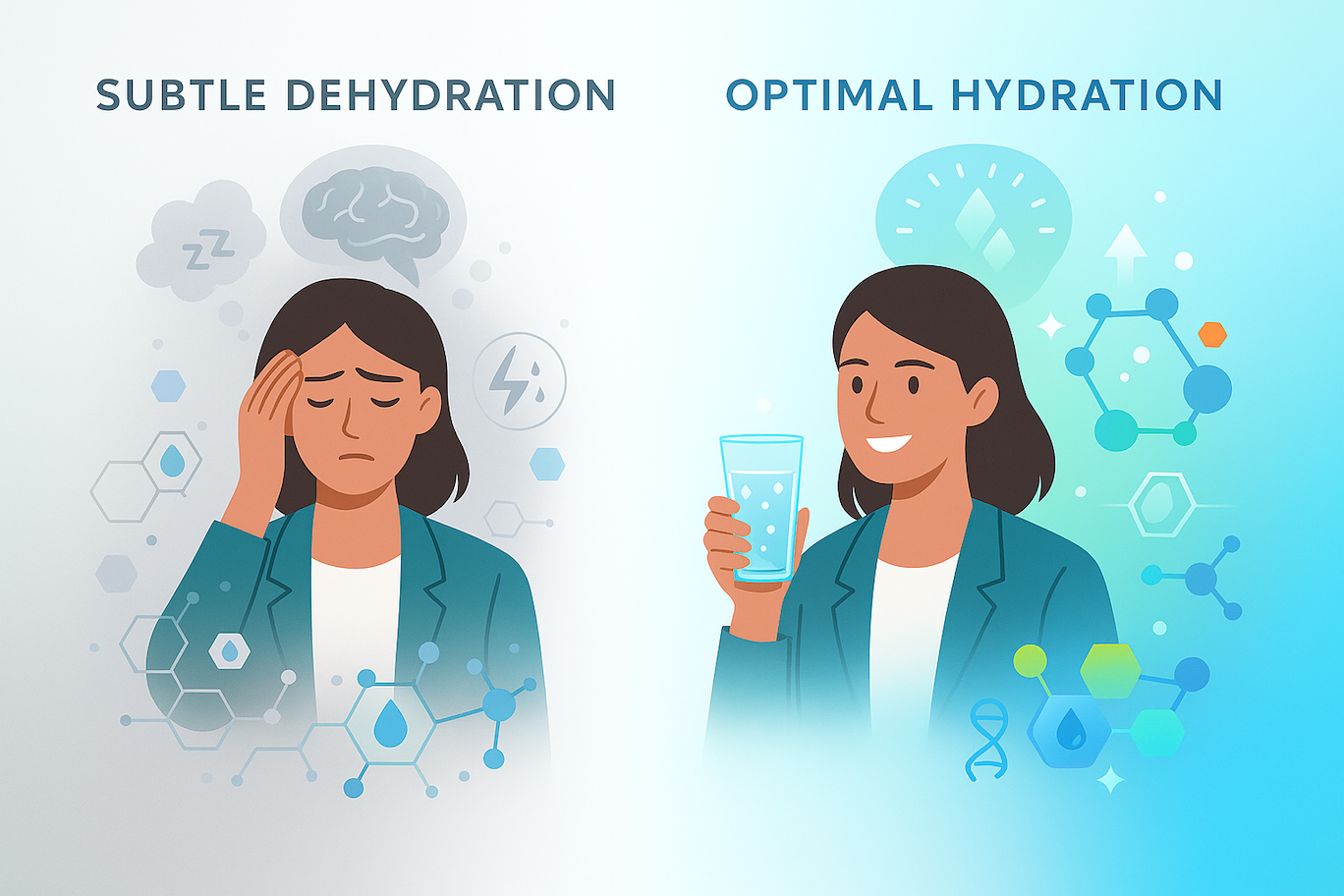
Health illustration showing the progression from subtle dehydration symptoms to optimal immediate hydration, featuring a professional experiencing cognitive changes and physical signs before thirst appears

You’ve just finished a three-hour presentation to potential clients, fielding questions and maintaining your energy throughout the entire session. As you pack up your materials, you notice a dull headache beginning to form behind your eyes. Your mouth feels slightly sticky, but you wouldn’t necessarily say you’re thirsty. You chalk it up to the stress … Read more

The Hydration Recovery Timeline: How Fast Can Your Body Bounce Back?

"Three-panel photographic timeline showing the same man progressing from dehydrated and fatigued to drinking water to fully recovered and energized, demonstrating the hydration recovery timeline phases

You’ve just finished the most challenging workout of your training cycle, pushing through a two-hour session in unseasonably warm weather. Your clothes are soaked with sweat, and you can feel the telltale signs of dehydration beginning to set in. You reach for your water bottle and drain it completely, then grab a sports drink from … Read more

Electrolyte Depletion in Illness: When Your Body Can’t Keep Fluids Down

"Realistic photograph of a person recovering from illness sitting on a couch looking fatigued, holding a water glass with tissues and medicine nearby, demonstrating electrolyte depletion during illness recovery

The stomach flu hits you like a freight train on a Tuesday afternoon. What started as a vague feeling of unease during your morning meetings has escalated into full-blown nausea by lunch. By evening, you’re alternating between the couch and the bathroom, unable to keep even small sips of water down for more than a … Read more

How Multiple Nutrient Deficiencies Can Hide in Plain Sight

Abstract molecular network showing interconnected hexagonal structures and geometric shapes representing multiple nutrient deficiencies and vitamin interactions on a soft blue-green gradient background

You wake up feeling tired despite getting eight hours of sleep. Your afternoon energy crash hits harder than usual, and that nagging brain fog makes simple decisions feel overwhelming. You chalk it up to stress, aging, or just “one of those days.” But what if these seemingly unrelated symptoms are actually your body’s way of … Read more

Nutrient Synergy: Why Combinations Often Work Better

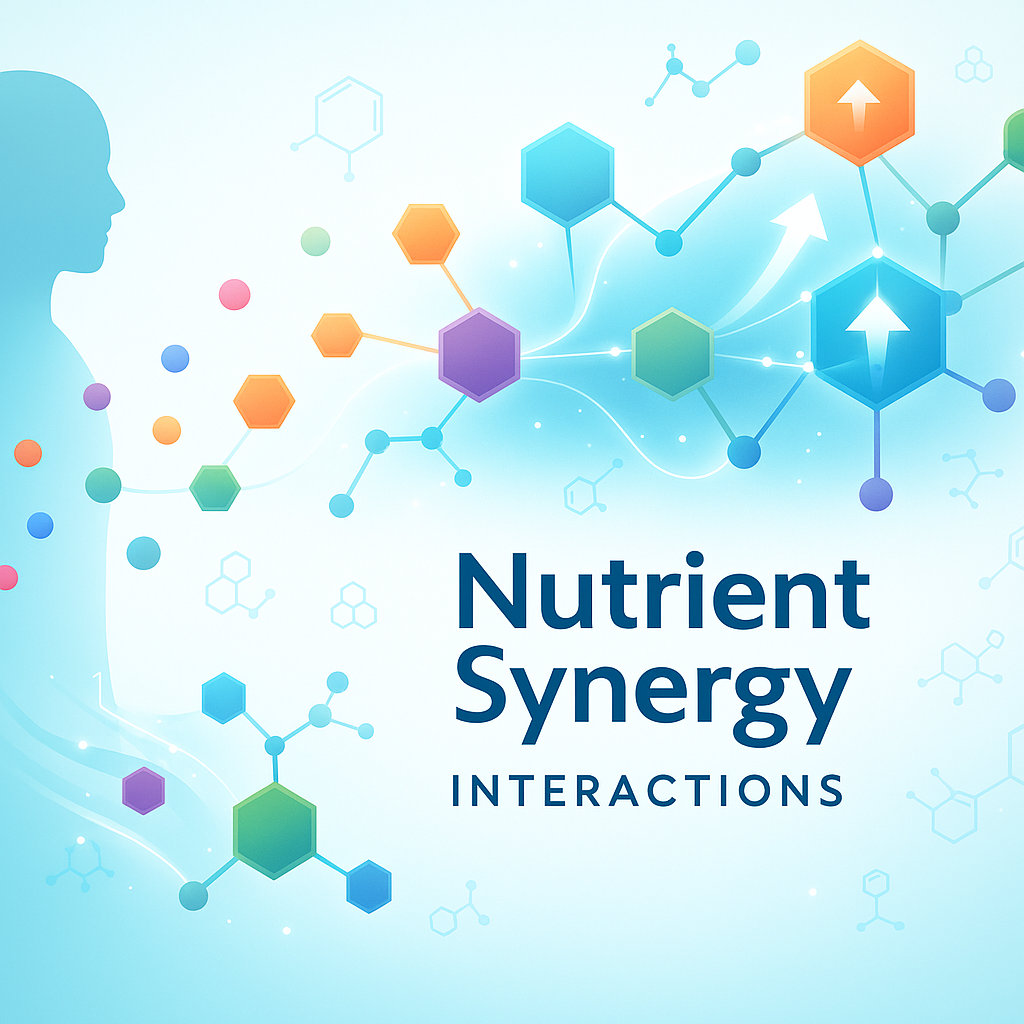
Nutrient synergy illustration showing interconnected hexagonal molecular structures and human silhouette, demonstrating how vitamin and mineral combinations work better together than isolated supplements

Standing in the supplement aisle, you’re faced with an overwhelming array of individual vitamins and minerals, each promising specific benefits. Vitamin C for immune support. Magnesium for muscle function. B12 for energy. Iron for fatigue. The logical approach seems straightforward: identify your specific needs, buy the corresponding supplements, and take them separately throughout the day. … Read more

Oxidative Stress Symptoms: The Overlooked Link to Everyday Resilience

Scientific illustration contrasting cellular oxidative stress symptoms with antioxidant protection, showing the relationship between free radical damage and everyday resilience

You’re three months into your promotion at work, and while you should feel accomplished, you notice something unsettling instead. The excitement you once felt tackling challenging projects has dimmed to a persistent sense of being overwhelmed. Small setbacks that you used to bounce back from quickly now seem to linger, affecting your mood for days. … Read more