
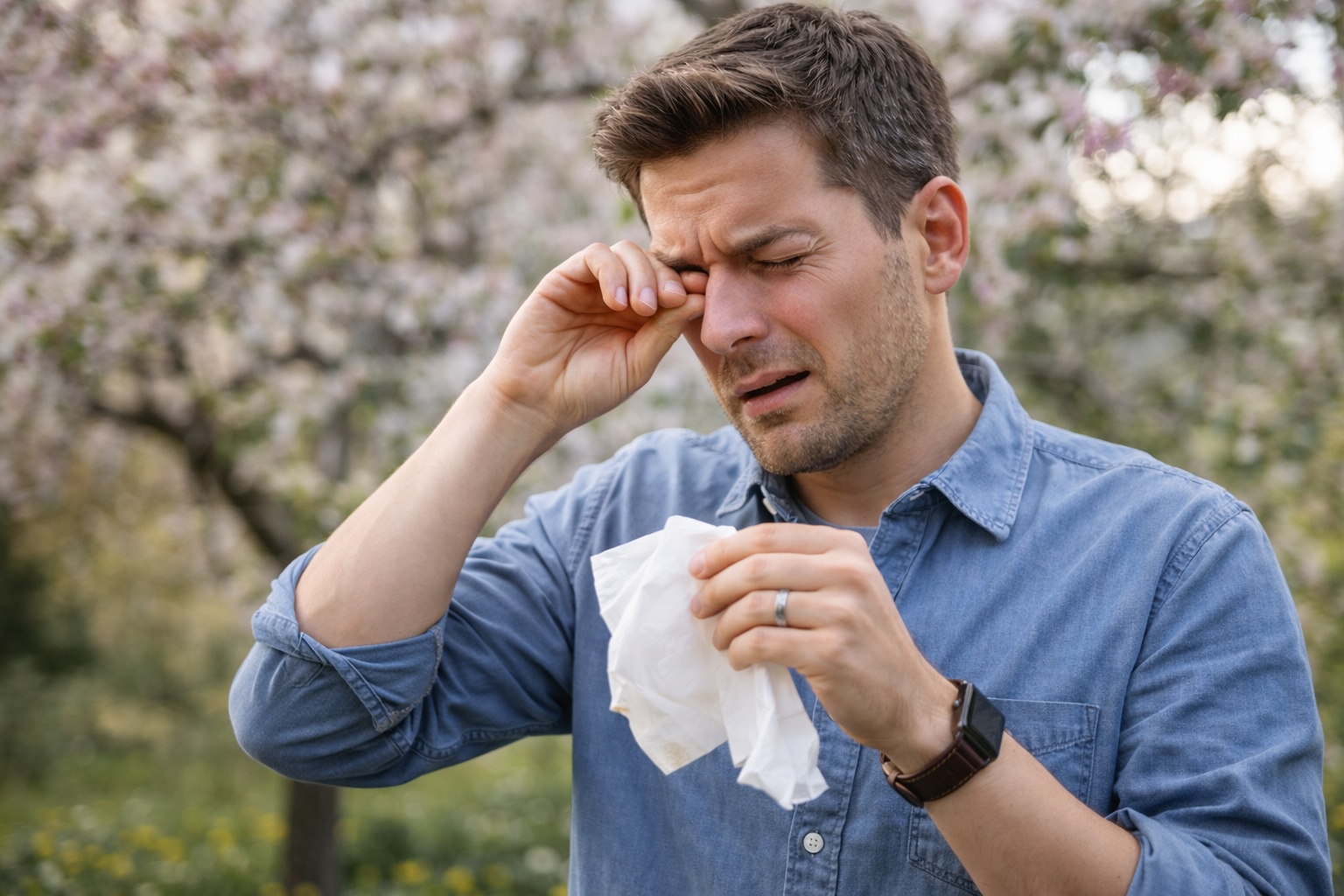
Spring arrives with longer days, warmer weather, and blooming trees. For many people, it also brings relentless sneezing, itchy eyes, and an exhaustion that feels disproportionate to the symptoms themselves.
You’re not imagining it. Seasonal allergies don’t just cause annoying symptoms; they drain your energy in ways that sleeping more doesn’t fix. Your immune system is working overtime, inflammatory processes are running constantly, and your body’s resource demands have increased significantly.
Understanding why allergies cause fatigue and what your body needs during this time can help you manage symptoms and maintain energy through allergy season.
Your Immune System on High Alert
Allergies occur when your immune system misidentifies harmless substances like pollen, dust, or mold as threats. In response, it launches a defensive reaction involving histamine release, inflammatory cytokines, and white blood cell activation.
This immune response requires significant energy. Your body is essentially fighting an invisible enemy that isn’t actually dangerous, but the metabolic cost is the same as if you were fighting an actual infection. The constant state of immune activation throughout allergy season is exhausting.
Histamine, the chemical responsible for many allergy symptoms, also affects sleep quality. It promotes wakefulness and can fragment sleep even when you’re lying in bed for eight hours. Poor sleep quality compounds the fatigue caused by immune system activation.
Inflammation Increases Nutrient Demands
The inflammatory response triggered by allergies depletes specific nutrients faster than normal. Vitamin C is consumed rapidly during immune activation. Your body uses it to produce white blood cells and reduce histamine levels. Normal dietary intake may not keep pace with increased demand during peak allergy season.
Quercetin, a flavonoid found in foods like onions, apples, and berries, acts as a natural antihistamine and anti-inflammatory. However, getting therapeutic amounts through food alone is difficult when inflammation is constant.
Magnesium helps regulate immune responses and has natural antihistamine properties. Stress from poor sleep and constant symptoms depletes magnesium, creating a cycle where low magnesium worsens symptoms, which further depletes magnesium.
B vitamins support energy production at the cellular level. When your immune system is working harder, cells need more ATP, which requires more B vitamins as cofactors in energy-producing reactions.
Dehydration from Medications and Symptoms
Many allergy medications, particularly antihistamines, have dehydrating effects. They dry out mucus membranes (which is partially why they work), but they also contribute to overall fluid loss.
Constant nasal drainage and mouth breathing (when nasal passages are blocked) increase fluid loss beyond normal levels. You’re losing more water than usual while potentially drinking less because you don’t feel thirsty.
Dehydration impairs cognitive function, reduces physical performance, and causes fatigue. Even mild dehydration (1-2% loss of body weight) significantly affects how you feel and function.
Sleep Disruption Compounds Fatigue
Allergies interfere with sleep in multiple ways. Nasal congestion makes breathing difficult, forcing you to breathe through your mouth, which is less efficient and more likely to wake you. Post-nasal drip triggers coughing at night. Histamine itself promotes wakefulness.
You might be in bed for eight hours but only getting five or six hours of restorative sleep. The fragmented, low-quality sleep leaves you feeling unrested even after a full night in bed.
Poor sleep reduces immune function, creating a problematic cycle where allergies disrupt sleep, poor sleep weakens immune regulation, and weakened immune regulation worsens allergy symptoms.
Cortisol and Circadian Disruption
Cortisol naturally suppresses allergic responses. When cortisol is highest in the morning, allergy symptoms tend to be milder. As cortisol drops through the day, symptoms often worsen.
Chronic poor sleep from allergies disrupts cortisol patterns. The normal peak-and-decline rhythm becomes blunted or irregular, removing one of your body’s natural defenses against allergic reactions.
Additionally, the stress of dealing with constant symptoms elevates overall cortisol levels, which eventually leads to dysfunction of the hypothalamic-pituitary-adrenal axis. This manifests as difficulty managing stress, poor energy regulation, and increased susceptibility to illness.
The Gut Connection
Approximately 70% of immune cells reside in gut-associated lymphoid tissue. Gut health directly influences immune function and allergic responses. When gut barrier function is compromised, immune activation increases and allergic sensitivity can worsen.
Antihistamines and other allergy medications can affect gut microbiome composition. Chronic inflammation from allergies also impacts digestive function. Supporting gut health through probiotics, fermented foods, and adequate fiber helps modulate immune responses and may reduce allergic sensitivity over time.
Practical Nutritional Support
Increase vitamin C intake through food (citrus, bell peppers, strawberries, broccoli) and consider supplementation during peak allergy season. Vitamin C has antihistamine properties and supports immune function without the sedating effects of pharmaceutical antihistamines.
Include quercetin-rich foods (red onions, apples with skin, berries, green tea). While food sources provide moderate amounts, the anti-inflammatory effects are cumulative with regular consumption.
Ensure adequate hydration despite medications and symptoms. Track actual water intake rather than relying on thirst, which is often blunted by antihistamines. Include electrolyte-rich foods or beverages to replace minerals lost through increased fluid turnover.
Omega-3 fatty acids from fatty fish, algae oil, walnuts, and flaxseeds help modulate inflammatory responses. Regular consumption may reduce the severity of allergic reactions over time.
Magnesium-rich foods (pumpkin seeds, almonds, spinach, dark chocolate) support immune regulation and help with sleep quality, addressing two issues simultaneously.
When Food Isn’t Enough
During severe allergy seasons, dietary intake alone may not meet increased nutrient demands. Digestive function can be impaired by inflammation and medications, reducing absorption even when you’re eating well.
IV vitamin therapy delivers immune-supporting nutrients directly into the bloodstream, ensuring availability when your body needs them most. High-dose vitamin C, B vitamins, magnesium, and zinc support immune function, reduce inflammation, and restore energy levels depleted by constant allergic responses.
This approach is particularly useful during peak pollen season or when symptoms are severe enough to significantly impact daily function.
Sleep Hygiene During Allergy Season
Shower before bed to remove pollen from hair and skin. Use allergen-proof pillow and mattress covers. Keep bedroom windows closed and use air conditioning with HEPA filtration instead.
Elevate your head slightly to reduce nasal congestion and post-nasal drip. Use a humidifier to prevent mouth and nasal passages from drying out completely.
Consider taking antihistamines at night rather than morning. While they cause drowsiness (which is why non-drowsy formulations exist), that side effect can be beneficial when taken before bed.
Beyond Symptom Management
Managing allergy symptoms is important, but supporting overall immune function helps reduce the severity of reactions in the first place. This means managing stress, prioritizing sleep (as much as allergies allow), maintaining consistent exercise, and ensuring adequate nutrition year-round, not just during allergy season.
Long-term strategies like immunotherapy (allergy shots) can reduce sensitivity over time. Local honey consumption has limited evidence but some people report benefits, likely from gradual exposure to local pollens.
Tracking symptoms and identifying specific triggers allows more targeted avoidance. If tree pollen is your main trigger, staying indoors during peak pollen hours (early morning) helps more than avoiding all outdoor activity.
Final Thoughts
Allergy season fatigue isn’t just being tired from sneezing. It’s the result of immune system activation, inflammatory processes, nutrient depletion, poor sleep, and dehydration all working together to drain your energy.
Addressing only the symptoms with antihistamines provides some relief but doesn’t resolve the underlying metabolic and nutritional demands creating the fatigue. Supporting your body with adequate hydration, immune-supporting nutrients, and strategies to improve sleep quality helps you maintain function through allergy season rather than just surviving it.
Allergies are annoying, but they don’t have to completely derail your energy and quality of life. When your body has what it needs to manage the immune response effectively, symptoms become more manageable and fatigue becomes less overwhelming.

